QoE & Sell-Side Prep for Roofing Companies
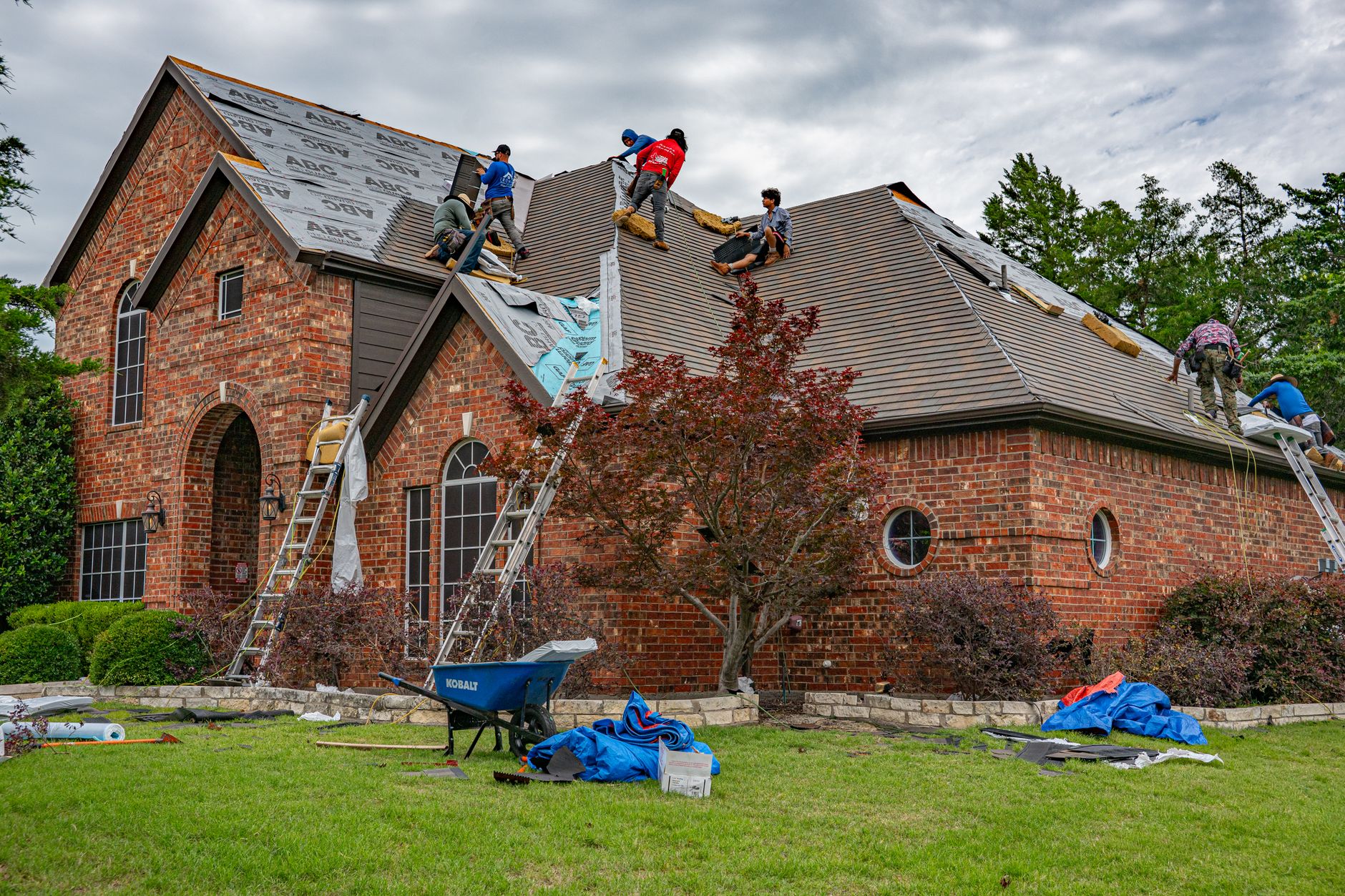
Roofing has a QoE problem baked into the weather: one good hail season can make a year look spectacular, and buyers know it. The work is convincing them your business is a business, not a lucky storm with a truck.
What a buyer is really paying for
A roofing buyer is paying for the part of your revenue that would exist without a storm — the reroofs, the repairs, the commercial maintenance, the referral engine that runs on reputation rather than weather. What they heavily discount is the insurance-driven spike from a big hail or wind event, because it's real money that nobody can promise will repeat.
The instinct at sale time is to lead with the record year. That backfires. A buyer normalizes storm revenue out and prices the base — so if you can't show what the base actually is, they'll guess low. QoE prep separates storm from base cleanly, so your durable revenue is priced as durable instead of lost inside a spike.
EBITDA is what the multiple attaches to, but for roofers the more important question is which EBITDA — the storm-year figure, or the normalized run rate. We build the version a buyer will believe.
Add-backs, warranties, and the spike
The standard add-backs apply — above-market owner comp, personal vehicles, family on the payroll — and each raises adjusted EBITDA when it's documented well enough to hold up. But roofing carries two extra QoE flashpoints: warranty reserves that need to be adequate but not padded, and the treatment of storm revenue, which has to be shown honestly rather than smuggled into the base.
We normalize owner costs, test the warranty and claim reserves, and present base versus storm revenue transparently. Honesty here is a feature: a buyer who sees you separating the spike yourself trusts the rest of the numbers more, not less.
How Kaizen runs it
We run a diligence-grade scan of your trailing twelve months, restate revenue into base versus storm and residential versus commercial, normalize owner comp and personal expenses, test warranty reserves, and build the Reported-to-Adjusted EBITDA bridge a buyer's QoE firm will respect. You get a workbook, a narrative memo, and a clean-up list of the things to fix before the buyer's team finds them.
The goal: show a buyer the durable business under the weather, so diligence confirms your run rate instead of discounting your best year to zero.
What's included
- Trailing-twelve-month Reported → Adjusted EBITDA bridge with support for every add-back
- Revenue restated into base (reroof/repair/maintenance) vs. storm-driven insurance work
- Residential vs. commercial mix and margin analyzed
- Warranty and claim reserves tested for adequacy
- Normalized run rate that a buyer will underwrite instead of a one-off spike
- Customer and referral-source concentration analysis (buyers ask — have the answer ready)
- Owner compensation and personal expenses normalized as documented add-backs
- Narrative QoE memo plus a defensible workbook you can hand to advisors
Pricing
Straight answers
My best year was a huge storm year. Do I sell on that number?
No — a buyer will normalize it out no matter what you do, so leading with it just makes them suspicious. The winning move is to separate storm from base yourself and sell on a normalized run rate you can defend. That earns more trust and, usually, a better price.
Isn't this what the buyer's QoE firm does anyway?
They do it to protect the buyer, and their version discounts hard. Sell-side prep runs it first, on your side, so you set an honest anchor and they confirm it rather than gutting your best year.
How far ahead of a sale should we start?
Ideally 6–12 months, ideally spanning a normal season. The more base-versus-storm history you can show, the more confidently a buyer underwrites the durable revenue.
What if I'm not selling for a few years?
Then you don't need a full QoE yet, but knowing your true base revenue apart from storm windfalls tells you how healthy the business really is. That's a reporting engagement, not this one.
Related
Free 20-minute books assessment
We'll show you the five things we'd fix first in your books — useful whether you hire us, hire someone, or do neither.
Talk to SalesOr call us directly: +1 786 789 0969