QoE & Sell-Side Prep for Dental Practices
DSOs have turned dentistry into a roll-up sport, and they arrive with spreadsheets. The single biggest question they ask — the one that moves your price the most — is what a fair market salary for you actually is. Answer it well and the rest gets easier.
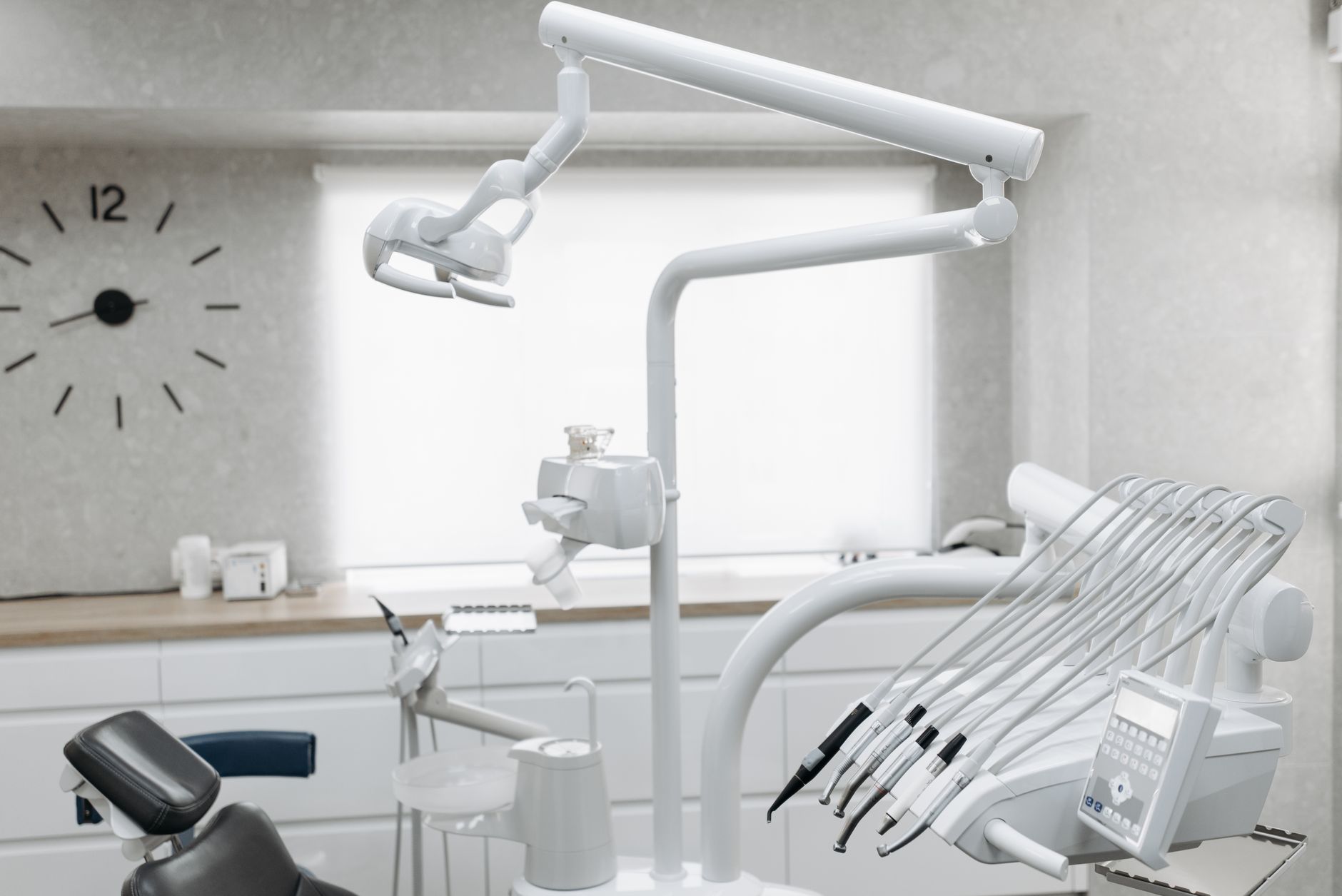
What a buyer is really paying for
A DSO or dental buyer is paying for the practice's earnings after you're paid a market wage to do your own clinical work. That's the crux: in an owner-run practice, the doctor's compensation and the practice's profit are tangled together, and how you separate them can swing adjusted EBITDA — and the price — dramatically. Get the doctor-comp normalization right and the whole valuation rests on solid ground.
Beyond that, buyers value the recurring engine: the hygiene recall schedule, membership plans, and the active-patient base that comes back twice a year like clockwork. Recurring hygiene revenue and a broad patient list are durable; a practice that depends on the owner personally producing every procedure is riskier and priced accordingly.
EBITDA is what the multiple attaches to, but for a dental practice the doctor-comp adjustment and the payor mix decide whether that EBITDA holds up.
Add-backs and the doctor-comp question
The standard add-backs apply — personal vehicles, family members on payroll, one-time equipment purchases, continuing-education travel that was mostly a vacation. Each lifts adjusted EBITDA if documented well enough to survive a buyer's accountant. But the dominant adjustment is provider compensation: replacing your actual pay with a market rate for the clinical work you personally perform, plus the cost to cover associate production.
We normalize doctor and associate comp to defensible market rates, analyze payor and fee-for-service mix, and quantify the recurring hygiene base — so the earnings you present survive a DSO's model instead of collapsing inside it.
How Kaizen runs it
We run a diligence-grade scan of your trailing twelve months, normalize doctor and associate compensation, restate revenue into recurring hygiene versus production and fee-for-service versus insurance, correct any prepaid-treatment deferral, and build the Reported-to-Adjusted EBITDA bridge a buyer's QoE firm will respect. You get a workbook, a narrative memo, and a clean-up list of the things to fix before the buyer's team finds them.
The goal: present earnings that already reflect a market wage for your clinical work, so a DSO confirms your number instead of rebuilding it lower.
What's included
- Trailing-twelve-month Reported → Adjusted EBITDA bridge with support for every add-back
- Doctor and associate compensation normalized to defensible market rates
- Revenue restated into recurring hygiene/recall vs. production, FFS vs. insurance
- Prepaid-treatment and ortho deferred revenue corrected to match delivery
- Active-patient base and recall cadence quantified (buyers ask — have the answer ready)
- Payor mix and fee-schedule analysis so the margin story holds up
- Working-capital peg estimate so the closing true-up doesn't ambush you
- Narrative QoE memo plus a defensible workbook you can hand to advisors
Pricing
Straight answers
Why does my own salary matter so much to the price?
Because a buyer has to pay someone to do your clinical work after you're gone, and that cost comes straight out of the earnings they're buying. Set the normalized doctor comp too low and diligence corrects it downward; set it defensibly and the valuation holds. It's the single most consequential number in a dental QoE.
Isn't this what the buyer's QoE firm does anyway?
They do it to protect the buyer, and their doctor-comp assumption will be conservative. Sell-side prep runs it first, on your side, so you bring a defensible market rate to the table instead of accepting theirs.
How far ahead of a sale should we start?
Ideally 6–12 months, so there's time to clean up the revenue and comp picture and, if useful, add associate coverage that reduces how much the practice depends on you personally.
What if I'm not selling for a few years?
Then you probably don't need a full QoE yet, but knowing your true profit after a market doctor wage tells you what the practice is actually worth. That's a reporting engagement, not this one.
Related
Free 20-minute books assessment
We'll show you the five things we'd fix first in your books — useful whether you hire us, hire someone, or do neither.
Talk to SalesOr call us directly: +1 786 789 0969