Fractional CFO for Roofing Companies
A big storm rolls through and suddenly you have more work than you can staff. Great news — right up until you realize you have to buy all the materials and make all the payroll months before the insurance checks show up.
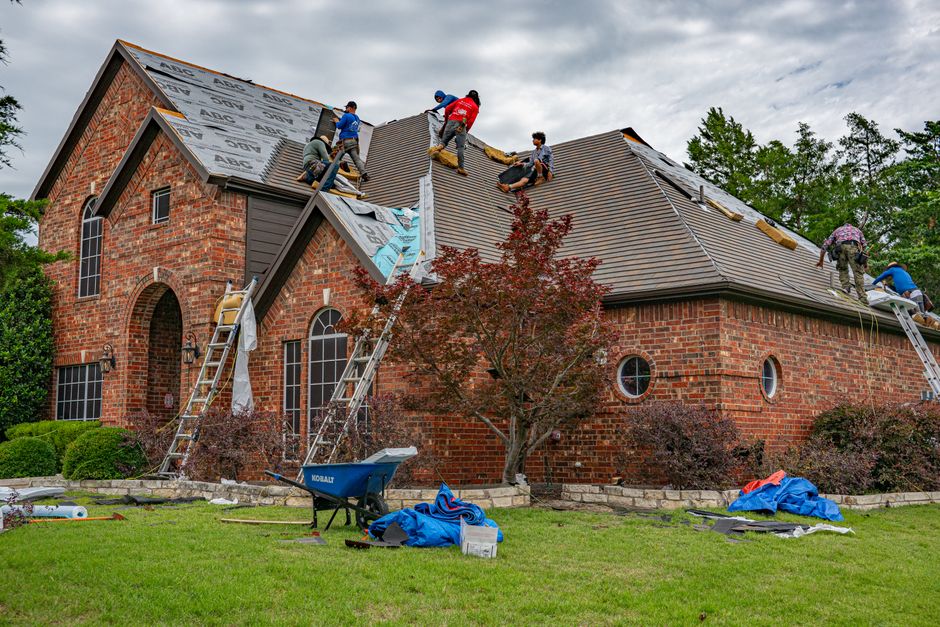
Storms are great for revenue and brutal on cash
Roofing is a feast-or-famine business with a cruel bit of timing baked in: demand spikes when you can least afford it. A surge means fronting materials and crew now and collecting from insurers and homeowners later — sometimes much later. Plenty of busy, profitable roofers have nearly gone under because growth ate every dollar of cash and the next material order was due.
A fractional CFO builds the 13-week cash forecast that turns a surge into something you plan for instead of survive. When you need a line of credit, you'll know before the crunch — which, not coincidentally, is exactly when a bank is willing to extend one.
Which jobs and crews actually make money
Insurance work, retail replacements, new construction, repairs — they don't earn the same, and neither do your crews. Without real job and crew margin, you're scaling on gut and hoping the mix works out. That's a fine strategy until it isn't.
We build margin by job type and by crew so you can chase the profitable work on purpose, price the rest correctly, and stop subsidizing the jobs that only look busy.
How Kaizen runs it
You get a senior CFO a few days a month on top of clean, job-costed books — not a junior analyst and a spreadsheet. We run a rolling cash forecast, track receivables on insurance and homeowner jobs so they don't age into a fight, and give you a monthly KPI pack plus the two or three decisions that actually move the business.
And if you're building toward a sale someday — roofing is a hot roll-up space — this is the same work that makes diligence painless later. Buyers pay more for a roofer whose numbers already add up.
What's included
- 13-week cash forecast built for storm surges and material outlays
- Job and crew margin so you chase the profitable work on purpose
- Receivables tracking on insurance and homeowner jobs
- Financing readiness — know the line-of-credit need before the crunch
- Supplier terms and material-cost analysis
- Monthly board-ready KPI and margin pack
- Scenario planning for a big surge, a new crew, or a second market
- Diligence-ready financials for a future sale into a roll-up
Pricing
Straight answers
We have a bookkeeper already. Why add a CFO?
A bookkeeper records what happened. A CFO tells you what to do about it — when cash gets tight, which crews to grow, how hard to bid the next surge. We can review the bookkeeping while we're in there, too.
Do you handle insurance-job receivables specifically?
Yes — supplements, ACV vs. RCV timing, depreciation holdbacks. Insurance AR is where roofing cash goes to hide, so we track it closely and forecast around its very relaxed sense of urgency.
How big do we need to be for this to pay off?
Roughly $3M+ in revenue is where a fractional CFO usually earns its fee. Below that, a strong bookkeeper and a simple cash forecast often do the job — and we'll tell you if that's you.
We're not selling anytime soon. Still worth it?
The cash forecasting alone usually pays for itself in a single avoided crunch. The diligence-readiness is a bonus you'll be glad you banked if a roll-up ever comes knocking.
Related
Free 20-minute books assessment
We'll show you the five things we'd fix first in your books — useful whether you hire us, hire someone, or do neither.
Talk to SalesOr call us directly: +1 786 789 0969