Fractional CFO for Restaurant Groups
One restaurant you can run by walking the floor. A group of them you have to run by the numbers, because the location that feels busy and the location that makes money are frequently not the same location. A fractional CFO gives you a clean read on each unit and the group — prime cost, cash, and whether the next one is worth building.
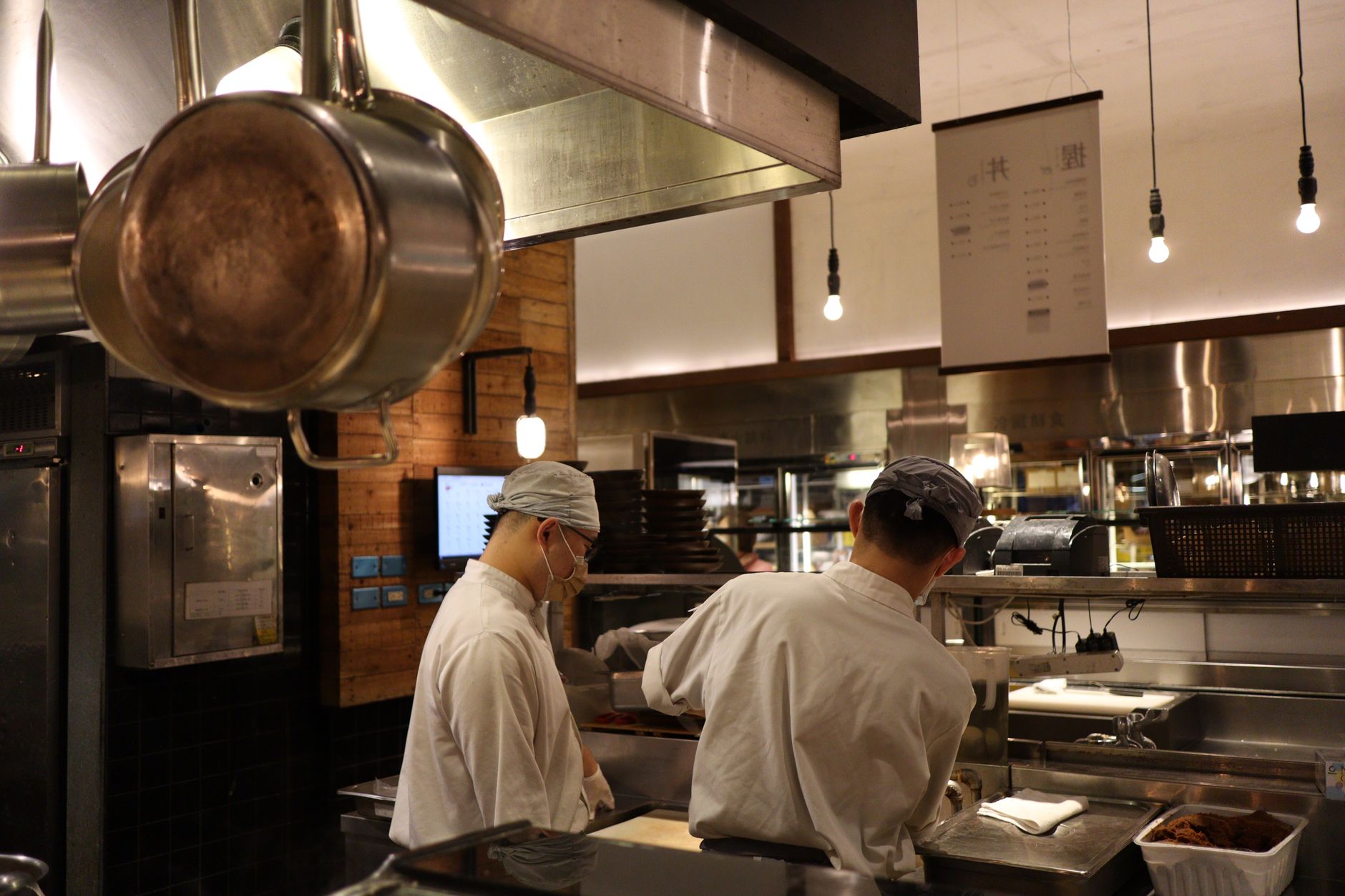
Prime cost per location, or you're flying blind
Prime cost — food plus labor — is the number that makes or breaks a restaurant, and in a group it has to be visible per location, weekly, not buried in a consolidated monthly P&L. One unit creeping two points on food cost while another over-schedules labor can quietly erase the profit of a third that's doing everything right.
A CFO builds per-location reporting and a clean consolidation, so you can see which units are healthy, which need attention, and which are being carried — before the group's overall number hides all three.
The math behind the next unit and the group's cash
A new location is a capital project with a build cost, a ramp, and a break-even — not a lease you sign because the group is doing well. Group cash has to cover payroll and vendors across units that don't all have good weeks at the same time. Get either wrong and one ambitious opening can strain the whole group.
We model the new-unit ROI and run group-level cash, so expansion is a decision with a payback and a funded plan, not a bet placed with the other locations' cash flow.
How Kaizen runs it
You get a senior CFO a few days a month on top of clean, per-location books. We build prime-cost and unit-level P&Ls, consolidate the group, run a rolling cash forecast, and model new units, remodels, and financing.
It's the difference between owning your favorite restaurant several times and running a restaurant company. The second one is less romantic and considerably more profitable.
What's included
- Prime cost — food and labor — reported per location, weekly
- Per-unit P&Ls and clean multi-unit consolidation
- 13-week rolling group cash forecast
- New-unit ROI and break-even models
- Vendor and food-cost trend analysis
- Labor scheduling and cost benchmarking across units
- Financing and remodel scenario models
- Monthly board-ready KPI and margin pack
Pricing
Straight answers
We have a bookkeeper. Why a CFO?
A bookkeeper records; a CFO runs prime cost, group cash, and the expansion decisions. Many groups keep their bookkeeper and add us for per-location reporting and strategy.
Can you report prime cost per location?
Yes — weekly, per unit, which is where the money actually gets won or lost. Monthly consolidated P&Ls hide the location-level problems until they're expensive.
We want to open another location. Can you model it?
That's a common reason clients call. We build the build-cost, ramp, break-even, and cash-impact model so the opening is funded and planned, not a bet on the other units.
How many locations before this makes sense?
Usually two or more, or a single unit planning to grow. One well-run restaurant with clean books may just need good bookkeeping and reporting — we'll be honest about that.
Related
Free 20-minute books assessment
We'll show you the five things we'd fix first in your books — useful whether you hire us, hire someone, or do neither.
Talk to SalesOr call us directly: +1 786 789 0969