Controller Services for Plumbing Companies
Service work pays this week, construction draws pay next quarter, and a plain P&L blends them into a number that reassures you right up until cash gets tight. A controller keeps the two straight and reviewed — so the report you're reading is the report you can trust.
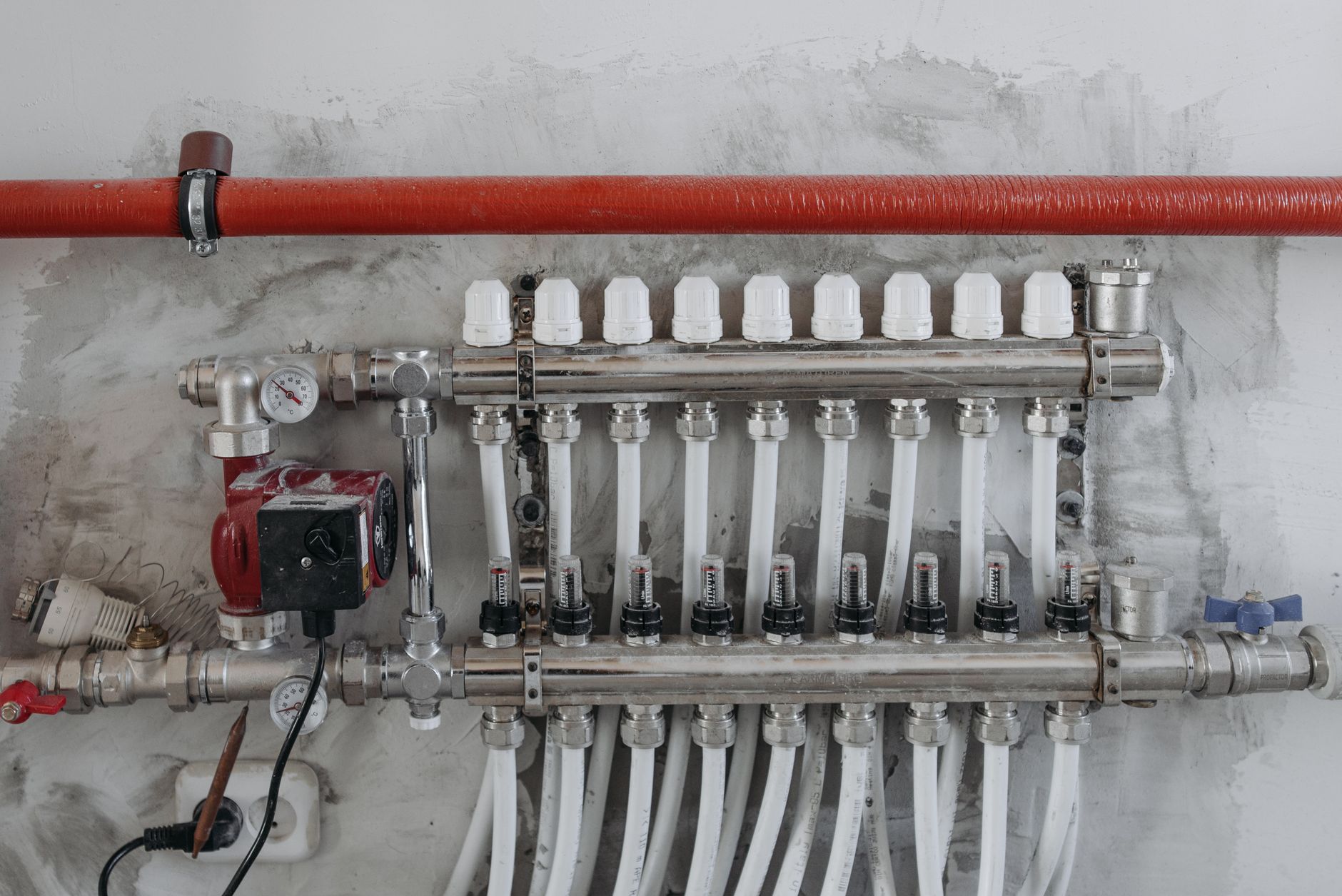
Two divisions, two cash cycles, one honest close
Residential service and new-construction plumbing earn money on completely different clocks — fast cash and fat margins on one side, slow draws and retainage on the other. A controller costs them separately and reviews the close, so you can see which division carries the company instead of guessing off a blended total.
The bigger discipline is reconciliation. Your service software, your deposits, and your books should agree every month; when they don't, the gap is usually uncollected work or miscoded material. A controller finds it before it compounds.
What a controller adds over a bookkeeper
A bookkeeper records the transactions. A controller makes sure they're right and turns them into a reviewed monthly package: division P&Ls, job-cost review, and the KPIs plumbing runs on — revenue per tech, average ticket, AR aging on construction draws.
As you add trucks, branches, or a construction arm, standardized reporting is what lets you compare them fairly and catch the one quietly losing money before it becomes the whole story.
How Kaizen runs it
We sit on top of your bookkeeping — ours or yours — and run a documented monthly close producing the same reviewed reports on the same date every month. Service-software revenue and deposits get reconciled to the accounting so nothing hides between systems.
Then the improvement part we're named for: each month the cost categories get sharper and the review catches more before it reaches you. Controller judgment without the salary or the eventual resignation letter.
What's included
- Reviewed monthly financials with a documented, same-date close
- Division P&Ls — service, new-construction, commercial
- Field-software-to-books reconciliation
- Plumbing KPI scorecard — revenue per tech, average ticket, margin by division
- Construction-draw and retainage AR aging watched before it stales
- Job-cost review so estimate-to-actual stays honest
- Standardized reporting across branches for clean comparisons
- Oversight of your bookkeeper or bookkeeping team — a second set of senior eyes
Pricing
Straight answers
We have a bookkeeper. Why add a controller?
A bookkeeper records; a controller reviews, reconciles the field data, and produces the division reports you manage on. Many clients keep their bookkeeper and add us for oversight.
Can you separate service from construction on the reports?
Yes — separate P&Ls with their own margins and AR aging, reconciled to the books. It's usually the first thing that changes how you read the month.
We run one service truck. Too small for a controller?
Probably, and we'll tell you honestly. A good bookkeeper and a KPI report is often enough until you add a construction arm or a second branch to compare.
Will you work with our office manager?
That's the norm. They keep running the office; we handle the accounting and review and make sure the systems and the bank agree.
Related
Free 20-minute books assessment
We'll show you the five things we'd fix first in your books — useful whether you hire us, hire someone, or do neither.
Talk to SalesOr call us directly: +1 786 789 0969