Controller Services for Electrical Contractors
The WIP schedule is either the most useful report in your business or a spreadsheet nobody trusts, and which one depends entirely on whether someone senior is keeping it honest. That someone is a controller. We keep the WIP straight and the close reviewed, so bidding and bonding rest on real numbers.
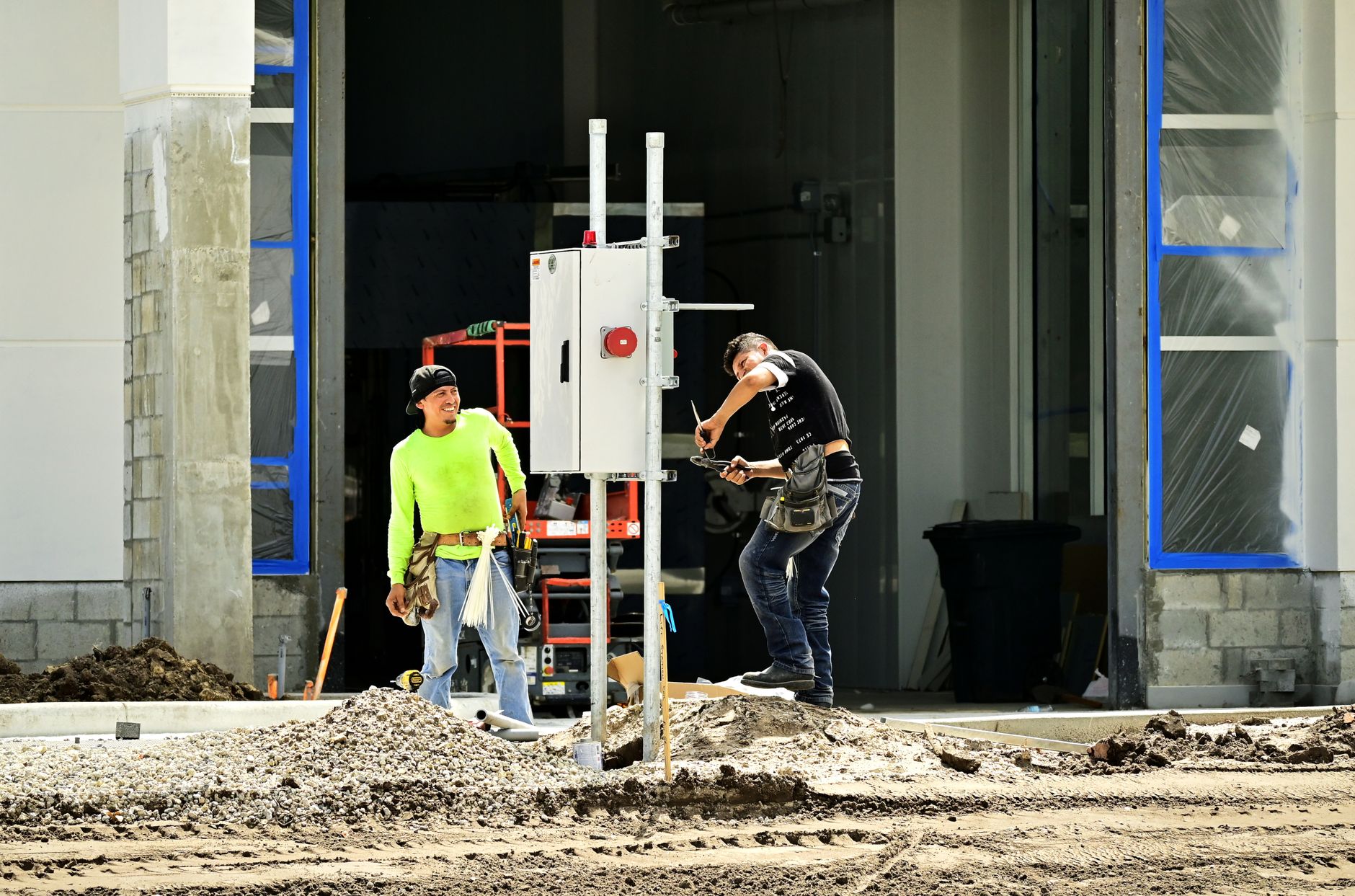
Someone has to own the WIP schedule
On project work, billing and cost march to different drummers, and the work-in-progress schedule is what reconciles them — exposing the over-billings that flatter a month and the under-billings that mean you're financing the customer. Kept loosely, the WIP lies; kept by a controller, it's the report your surety and your lender actually respect.
Underneath it sits job-margin review: change orders that never got billed, material coded to the wrong job, estimate-to-actual fade. A controller catches those in the monthly review instead of at year-end when it's too late to bill anyone.
What a controller adds over a bookkeeper
A bookkeeper records the transactions. A controller makes them right and turns them into a reviewed package: an accurate WIP, job-level P&Ls, backlog reporting, and surety-ready financials. That's the layer between having numbers and being able to bond the next job.
As the backlog grows, standardized job reporting lets you see which projects and which PMs actually make money — not one blended margin that hides the job quietly going sideways.
How Kaizen runs it
We sit on top of your bookkeeping — ours or yours — and run a documented monthly close, WIP schedule included, on the same date every month. Costs and billings get tied to each job so the schedule reconciles instead of floating.
Then the improvement part we're named for: each close the WIP gets more accurate and the review catches more before it reaches you. Controller judgment, minus the salary and the eventual departure.
What's included
- Reviewed monthly financials with a documented, same-date close
- Work-in-progress schedule with over/under-billing analysis
- Job-level P&Ls and margin-fade review
- Surety-ready financials for bonding
- Change-order and retainage tracking so nothing leaks
- Backlog reporting kept current
- Standardized job reporting across PMs and divisions
- Oversight of your bookkeeper or bookkeeping team — a second set of senior eyes
Pricing
Straight answers
We have a bookkeeper. Why a controller?
A bookkeeper records; a controller owns the WIP, reviews job margins, and produces bonding-grade financials. Many contractors keep their bookkeeper and add us for the oversight and the WIP.
Can you produce financials our surety will accept?
Yes — an accurate WIP, clean job costing, and an on-time reviewed close in the format underwriters expect. It's often the reason a growing contractor calls us in.
Our WIP is a mess. Can you fix it?
That's usually Month 1. We rebuild the cost structure and the schedule, then keep it accurate every close so it becomes a report you actually trust.
We only run small service jobs. Overkill?
Likely, and we'll say so. Without real project backlog and bonding needs, a solid job-costed bookkeeper may be all you need.
Related
Free 20-minute books assessment
We'll show you the five things we'd fix first in your books — useful whether you hire us, hire someone, or do neither.
Talk to SalesOr call us directly: +1 786 789 0969